Notre approche
Les zones d’opérations d’Elk Valley Resources (EVR) dans les régions qui possèdent une grande valeur de biodiversité sont susceptibles d’avoir un impact sur les écosystèmes environnants. De la conception du projet à la clôture opérationnelle, nous veillons à réduire notre empreinte physique sur les terres. Pour ce faire, nous identifions et atténuons nos impacts avérés et potentiels sur la biodiversité en appliquant les principes de la hiérarchie des mesures d’atténuation (évitement, réduction, restauration, compensation).
Terres exploitées par EVR
Terres exploitées par EVR
Les terres qu’exploite EVR dans la vallée de l’Elk et la vallée de la Flathead sont situées sur le territoire traditionnel du peuple Ktunaxa (ʔamakʔis Ktunaxa). Les Ktunaxas et EVR reconnaissent l’importance de travailler en collaboration avec les communautés locales, les groupes d’usagers et le gouvernement provincial afin d’atténuer efficacement les impacts sur les terres.
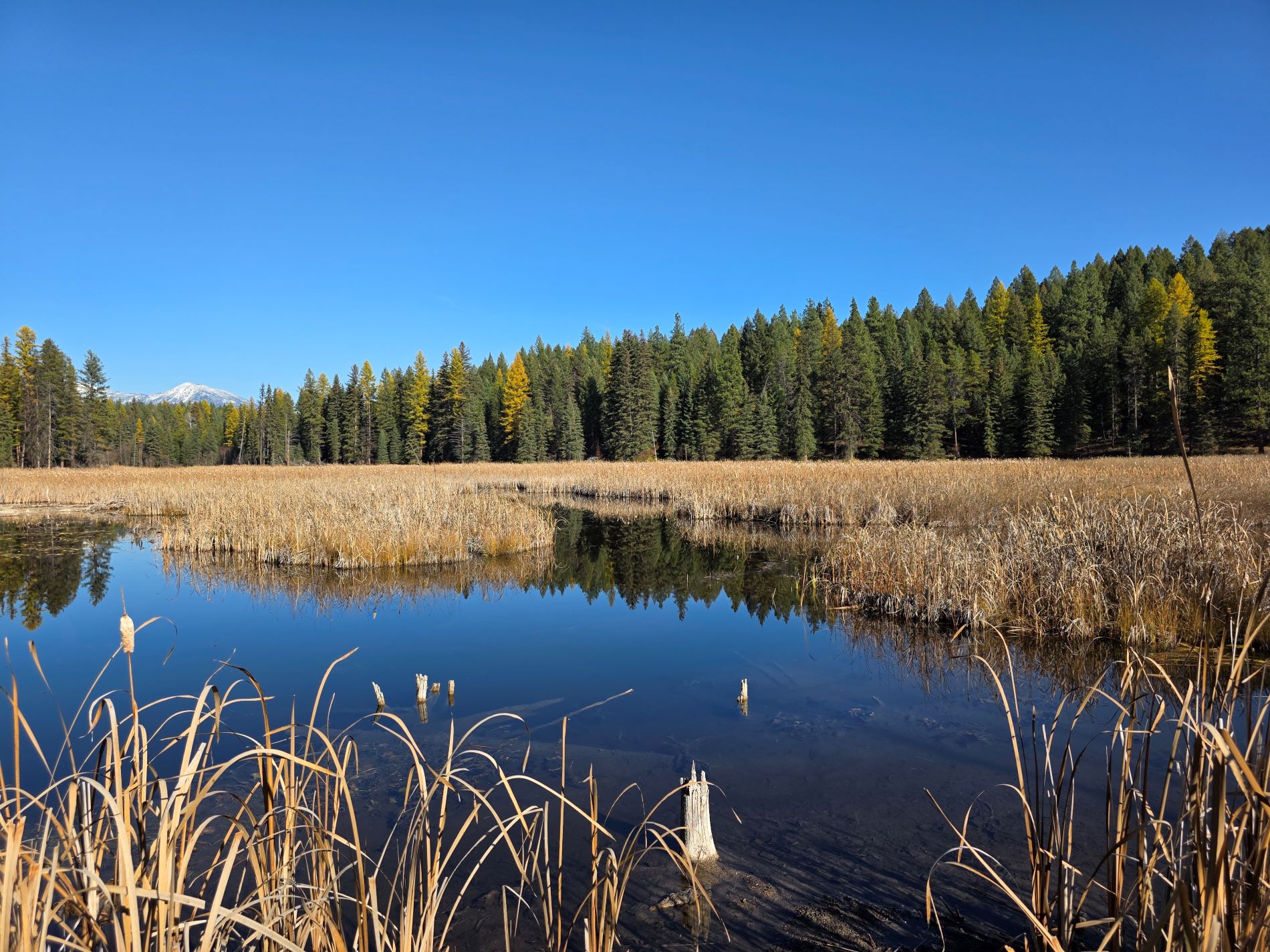
Ces terres constituent un habitat essentiel pour plusieurs espèces sauvages comme le grizzli, le carcajou, le blaireau, l’élan, le lynx, la chèvre de montagne, le mouflon, la truite fardée du versant de l’ouest et l’omble à tête plate. Leur valeur culturelle et communautaire est considérable.
Nos terres non minières accessibles au public sont sécuritaires pour le camping, la chasse et la randonnée. Les usagers peuvent y profiter de leurs activités récréatives motorisées et non motorisées.
-
53,000 ha
terres privées
-
34,000 ha
terrains privés avec accès public
-
7,000 ha
terrain de conservation privé avec accès public
-
19,000 ha
terrains opérationnels
Remise en état
Remise en état
EVR cherche à intégrer les terres remises en état dans le paysage environnant afin de contribuer à la connectivité et de soutenir des écosystèmes fonctionnels autonomes. À cette fin, nous nous assurons :
- de travailler en collaboration avec les populations autochtones et les parties prenantes afin d’améliorer nos plans de remise en état, à commencer par le résultat visé;
- d’intégrer la sécurité et la stabilité à long terme des bassins versants, des formes de relief et des particularités du terrain;
- de mettre l’accent sur une approche de remise en état axée sur les écosystèmes;
- de respecter les exigences de nos permis délivrés en vertu de la loi sur les mines et du code de la santé, de la sécurité et de la remise en état des mines de la Colombie-Britannique.
En collaboration avec la nation Ktunaxa, nous avons récemment entrepris un projet de remise en état de 40 hectares de prairies et de sol forestier afin de connecter des zones adjacentes non perturbées à nos opérations de Fording River. Le savoir autochtone a servi de guide à la conception, qui intègre des caractéristiques telles que les corridors de déplacement des espèces fauniques, la rétention de la neige et les terrains de fuite.
Conservation et restauration
Conservation et restauration
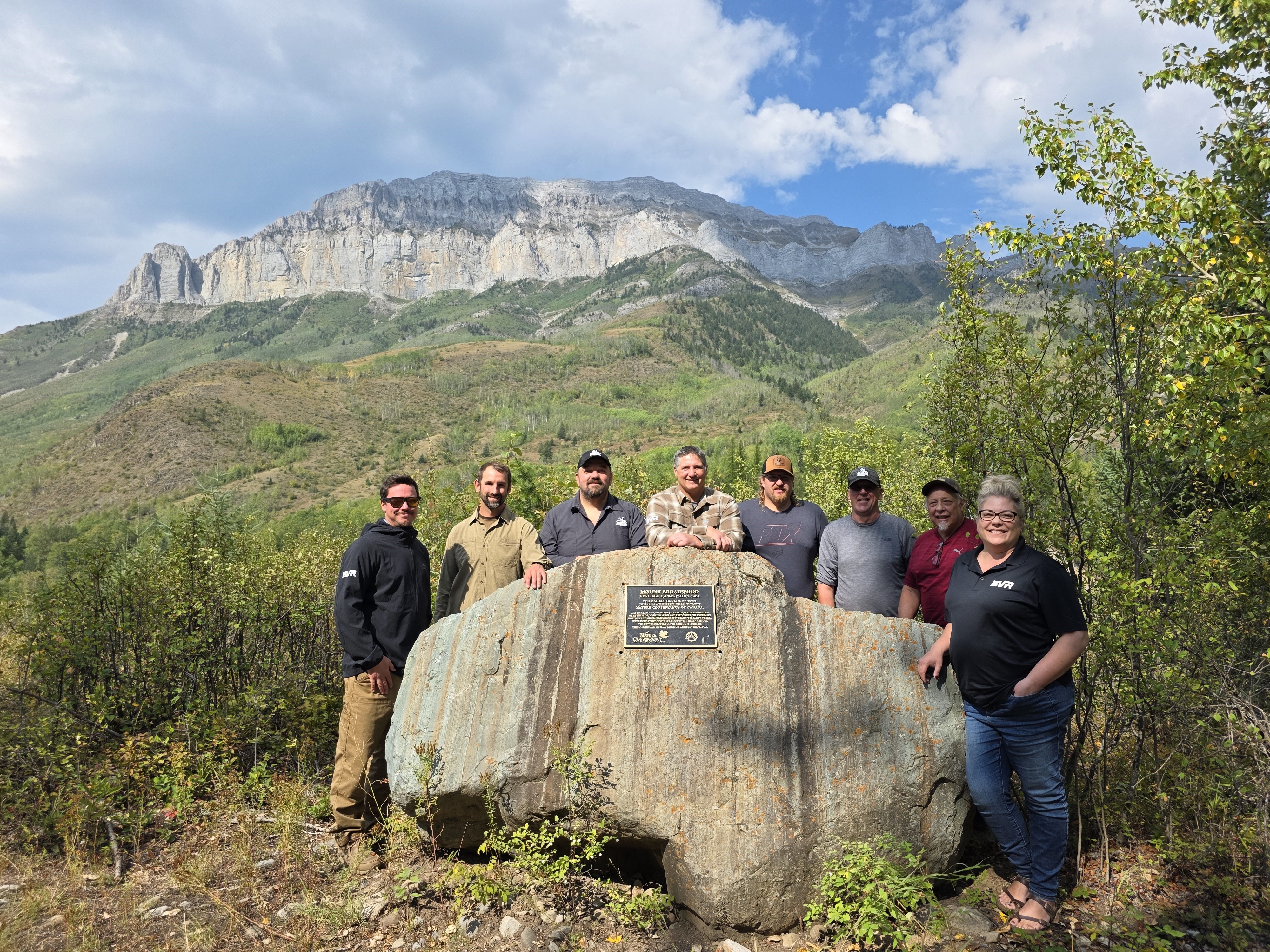
EVR possède plus de 7 000 hectares de terres privées dans la vallée de l’Elk et la vallée de la rivière Flathead à des fins de conservation, dont Grave Prairie, Alexander Creek et Flathead Townsite. Nous avons conclu un accord de gestion conjointe avec les Ktunaxas et nous collaborons avec la communauté Yaq̓itʔa·knuqⱡi‘it afin d’élaborer des plans pour les zones ciblées. Nous nous engageons à travailler en coopération avec les peuples autochtones, les communautés locales et les autres parties prenantes afin de préserver les zones présentant une valeur sociale, culturelle et écologique.
Voici quelques récentes contributions apportées dans la région :
- aide de 20 millions de dollars à la Société canadienne pour la conservation de la nature pour la conservation réussie de 45 000 hectares de terres boisées dans le cadre du projet des terres forestières de Kootenay;
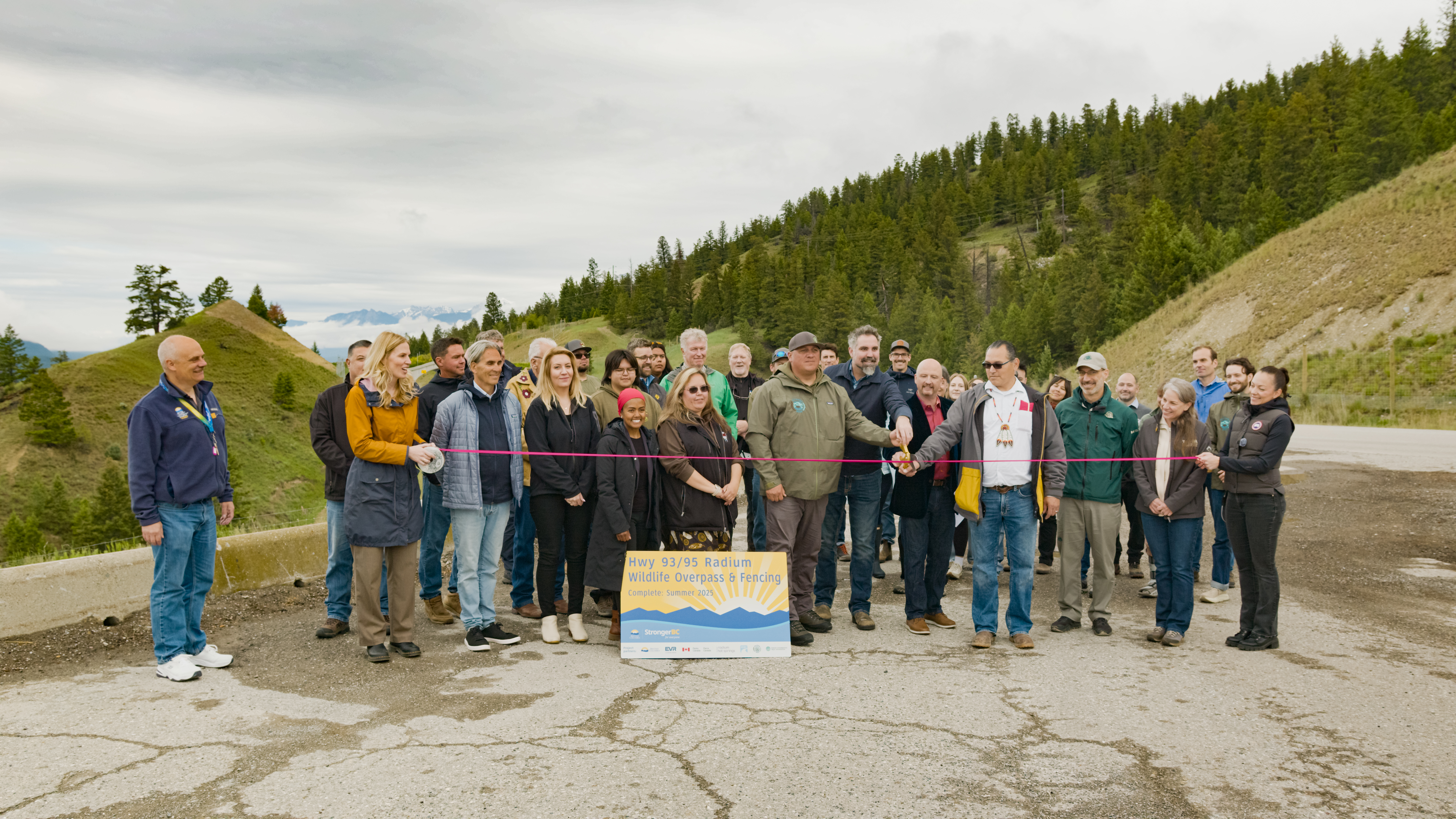
- soutien au rétablissement des habitats, y compris une contribution de 2,4 millions de dollars à l’initiative Elk Valley Reconnecting the Rockies et de 2,5 millions de dollars pour la conservation du corridor faunique à Radium Hot Springs;
- mise en œuvre d’un programme de réfection de la route qui a permis de réhabiliter plus de 80 kilomètres de routes d’exploration au cours des cinq dernières années, y compris la suppression de 180 ponceaux afin d’améliorer l’habitat des poissons;
- projets, partage de données et financement en appui à la planification régionale de la conservation et aux mesures d’atténuation des effets sur la faune, notamment l’initiative de coexistence avec le grizzli de la vallée de l’Elk, les relevés fauniques régionaux et l’étude sur le mouflon de l’ouest de la vallée de l’Elk.
Prairies d’altitude
Prairies d’altitude
EVR s’emploie à soutenir les prairies d’altitude dans la vallée de l’Elk, par les moyens suivants :
- mise à l’essai de méthodes de restauration des prairies d’altitude fonctionnelles, y compris les essais récents des opérations d’Elkview et les progrès dans l’approvisionnement en semences et en boutures de 18 plantes indigènes de prairies d’altitude;
- partenariat avec l’Université de l’Alberta pour améliorer la remise en état des prairies dans la vallée de l’Elk;
- mise à l’essai de méthodes visant à bonifier les écosystèmes des prairies d’altitude et la production de fourrage pour la faune en éliminant l’empiètement sur les forêts dans le cadre d’un projet conçu et mis en œuvre en collaboration avec le peuple Yaq̓it ʔa·knuqⱡi’it;
- surveillance de la régénération des prairies après les récents feux de forêt afin de comprendre la manière dont les pratiques traditionnelles de brûlage des Ktunaxas servant à maintenir la biodiversité peuvent appuyer la régénération et l’amélioration futures des prairies d’altitude;
- maintien de l’avancement de la recherche sur les méthodes de restauration, y compris les apprentissages tirés récemment de la réfection de routes datant de plusieurs décennies, où les herbes agricoles utilisées à l’origine pour la remise en état sont remplacées naturellement par des végétaux indigènes.
Surveillance de la faune
Surveillance de la faune
Les données du programme régional de surveillance de la faune d’EVR nous aident à comprendre l’incidence de nos activités sur l’utilisation de l’habitat et les mouvements de la faune, ainsi qu’à évaluer l’efficacité de nos mesures d’atténuation pour les espèces sauvages. Les résultats sont présentés à la province de la Colombie-Britannique pour soutenir la gestion régionale de la faune et de la flore, et les enseignements servent à informer la planification des mesures d’atténuation ainsi que notre programme de remise en état. Le programme comprend plus de 240 caméras à distance et d’autres formes de surveillance, notamment des relevés au sol et des relevés aériens.
Ces dernières années, le programme de surveillance a montré que la population de mouflons de l’est de la vallée de l’Elk, qui chevauche les sites miniers d’EVR, est en augmentation. La remise en état contribue à la conservation de l’habitat des mouflons tout au long de l’année dans la vallée de l’Elk, y compris d’importantes aires d’hivernage.

Articles connexes